The Preakness Stakes & the “lost” New York years

The Preakness is Maryland’s race: it’s “Maryland, My Maryland” and black-eyed Susans and blue crabs. It’s so important to the state that when financial difficulties threatened racing in Maryland,the governor stepped in to make sure that the Preakness would stay in Baltimore. But 125 years ago, when financial woes imperiled the racing industry in Maryland,…

The Legacy of Eugene D. Wood, Alive and Well at Aqueduct

Image: Postcards from Eugene Wood to the nieces he supported following the death of their mother, his sister. When Eugene D. Wood died in 1924, his local paper –The New York Times – didn’t pay that much attention. Despite his prominence in New York City, through decades of political involvement locally and in Albany, through…

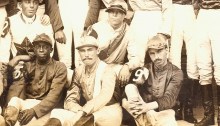
The Rise, Fall, and Disappearance of Black Horsemen

The first Kentucky Derby, in 1875, was won by Aristides. On his back was a black jockey, Oliver Lewis; the man who trained him, Ansel Williamson, was also black. Five years earlier, Kingfisher had won the Belmont Stakes, ridden by Edward Brown, trained by Raleigh Colston, both men who had been born into slavery. That…

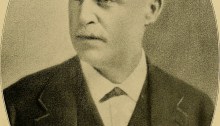
David Dunham Withers

“No man in the country was more widely esteemed by racing men.” David Dunham Withers was born in 1822 in New York City; he and his family lived downtown on Greene Street, now in fashionable Soho. When his parents married, the couple was given a cottage by the bride’s father as a wedding present. According…

Meet Mr. Travers

Last year at Royal Ascot, Estimate, a horse owned by Queen Elizabeth II, won the Gold Cup in its 207th running. As the Queen traditionally presents the trophy to the winning owner, her victory presented something of a problem, solved when her son Prince Andrew stepped in to do the honors. In August of 1864,…